

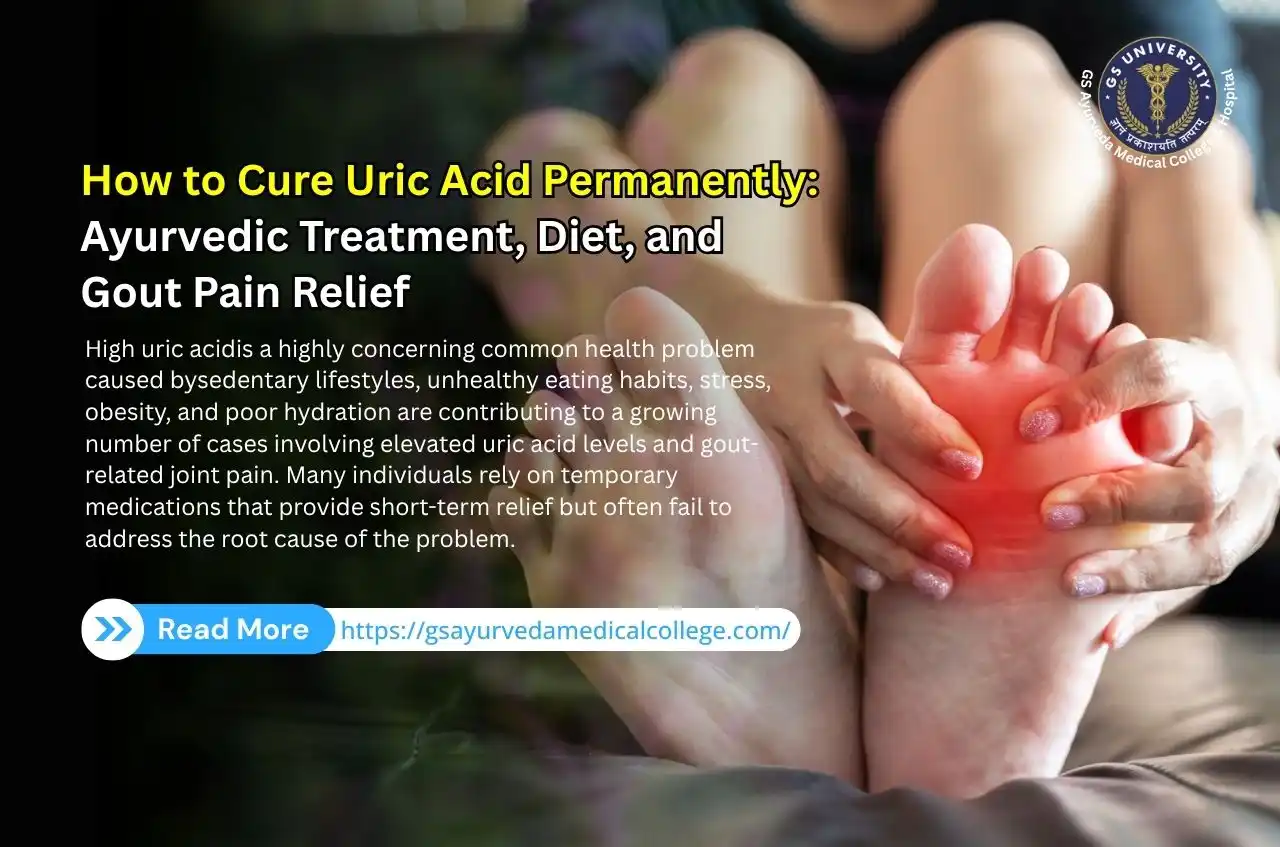
How to Cure Uric Acid Permanently: Ayurvedic Treatment, Diet, and Gout Pain Relief
Introduction
High uric acid is a highly concerning common health problem caused by sedentary lifestyles, unhealthy eating habits, stress, obesity, and poor hydration are contributing to a growing number of cases involving elevated uric acid levels and gout-related joint pain. Many individuals rely on temporary medications that provide short-term relief but often fail to address the root cause of the problem.
This is where Ayurveda offers a different perspective. Rather than merely suppressing symptoms, Ayurveda aims to restore balance within the body, improve metabolism, eliminate toxins, and reduce the chances of recurrence by thoroughly following a combination of herbal medicines, Panchakarma, dietary changes, and lifestyle changes. Ayurvedic treatment manages uric acid levels in a natural and sustainable way.
At GS Ayurveda Hospital, experienced Ayurvedic physicians focus on identifying the underlying causes of elevated uric acid and designing personalized treatment plans. This holistic approach helps patients not only find relief from gout pain but also improve their overall health and well-being. High Uric Acid Treatment of Ayurveda provide better relief than any other treatment available.
Uric Acid and Its Role
What Is Uric Acid?
It is the waste product of the body resulting from breaking down of purines. Purines are naturally present in the body and are also found in various foods such as red meat, seafood, and certain beverages.
Normally, uric acid dissolves in the blood and is filtered by the kidneys before being excreted through urine. However, when the body produces too much uric acid or the kidneys fail to remove enough of it, uric acid levels begin to rise.
When Does Uric Acid Become a Problem?
Uric acid causes problem when its levels in the blood is higher than body's capacity to get rid of it. Excess uric acid can form tiny, sharp crystals that accumulate in joints, tendons, and surrounding tissues. This often leads to inflammation, swelling, redness, and intense pain, particularly in the big toe, ankles, knees, and fingers. Over time, persistently high uric acid levels may contribute to recurrent gout attacks, kidney stones, and even kidney damage. Many people may not notice symptoms initially, making regular health check-ups important for early detection and prevention of long-term complications.
Causes of High Uric Acid Levels
Dietary Factors
The foods which cause increase uric acid levels include:
- Organ meats
- Red meat
- Shellfish
- Processed foods
- Sugary beverages
- Excessive alcohol
Lifestyle Habits
Modern lifestyles often encourage habits that increase uric acid accumulation. Common factors include:
- Physical inactivity
- Obesity
- Chronic stress
- Inadequate water intake
- Poor sleep quality
Medical Conditions and Genetics
Certain medical conditions can also contribute to hyperuricemia, including:
- Diabetes
- Hypertension
- Kidney disorders
- Metabolic syndrome
- Family history of gout
Symptoms of High Uric Acid
Early Warning Signs / Gout Disease Symptoms
Many people experience subtle symptoms before gout develops. These may include:
- Mild joint discomfort
- Fatigue
- Stiffness in fingers or toes
- Reduced flexibility
Signs of Gout and Joint Inflammation
As uric acid levels continue to rise, symptoms become more noticeable:
- Sudden severe joint pain
- Swelling and redness
- Warmth around affected joints
- Difficulty walking
- Recurrent attacks, especially at night
The big toe is most commonly affected, although ankles, knees, wrists, and fingers can also be involved.
Can Uric Acid Be Cured Permanently?
The possibility of permanently controlling uric acid depends largely on identifying and addressing the factors responsible for its elevation. While there may not be a universal one-time cure, long-term management is achievable through consistent lifestyle changes and proper treatment. So, the question arises, how to cure uric acid permanently? The answer to it is Ayurveda, as it focuses on correct digestion, to make metabolism efficient by eliminating the toxins, and bringing back the natural balance of the body. When combined with a healthy diet, regular exercise, adequate hydration, and personalized Ayurvedic therapies, many individuals can maintain healthy uric acid levels and significantly reduce the chances of recurring gout attacks and related complications.
Ayurvedic Perspective on Uric Acid and Gout
Understanding Vata and Rakta Imbalance
According to Ayurveda, high uric acid and gout are often linked to an imbalance in Vata Dosha and Rakta Dhatu (blood tissue). Poor digestion and unhealthy lifestyle habits can lead to the formation of Ama, or metabolic toxins, which circulate throughout the body and disturbs body's natural functioning. Vata's interaction with impure rakta is the reason for inflammation which causes pain in the joints. This imbalance may result in stiffness, swelling, tenderness, and reduced mobility. Restoring harmony between Vata and Rakta is a key goal of Ayurvedic treatment for uric acid disorders.
Ayurvedic Concept of Vatarakta
In Ayurveda, the condition that closely resembles gout is known as Vatarakta. It is described as a disorder that occurs when aggravated Vata Dosha becomes obstructed by vitiated Rakta (blood tissue). This obstruction affects normal circulation and nourishment of the joints, leading to pain, burning sensations, swelling, and restricted movement and start affecting smaller joints first and then spreading if left untreated. Ayurvedic texts emphasize treating both the aggravated Vata and the impure Rakta simultaneously by therapies, herbal medicines, following ayurvedic dietary recommendations, and detoxification.
Ayurvedic Treatment for Uric Acid
Panchakarma Therapy
Panchakarma is a specialized detoxification procedure that aims to remove toxins from the body. Depending on the patient's condition, Ayurvedic physicians may recommend therapies such as:
- Virechana (therapeutic purgation)
- Basti (medicated enema)
- Abhyanga (oil massage)
- Swedana (herbal steam therapy)
These treatments help improve metabolism, reduce inflammation, and support natural detoxification. Procedures like Raktamokshana may also be recommended.
Herbal Medicines
Ayurvedic herbal formulations are often prescribed to assist in maintaining healthy uric acid levels and improving joint health.
Common Ayurvedic Herbs Used
Some frequently utilized herbs include:
- Giloy
- Guggulu
- Punarnava
- Ashwagandha
- Triphala
- Nirgundi
These herbs are valued for their anti-inflammatory, detoxifying, and rejuvenating properties. Treatment plans should always be guided by qualified Ayurvedic practitioners.
How to Lower Uric Acid Naturally: Diet Plan
Foods to Eat
A balanced diet can play a significant role in managing uric acid levels. Uric Acid Diet should consist of:
- Fresh fruits
- Green leafy vegetables
- Whole grains
- Low-fat dairy products
- Coconut water
- Cucumber
- Bottle gourd
- Cherries
- Citrus fruits
These foods support digestion and help reduce inflammation.
Foods to Avoid with Gout
Certain foods may aggravate uric acid accumulation and should be limited or avoided:
- Red meat
- Organ meat
- Seafood
- Alcohol
- Sugary soft drinks
- Excessive fried foods
- Processed snacks
Think of your diet as the fuel you put into a vehicle. Better fuel allows the engine to run smoothly, while poor-quality fuel creates long-term problems.
Lifestyle Changes for Long-Term Relief
Exercise and Weight Management
Maintaining a healthy weight is one of the most effective ways to control uric acid levels. Regular physical activity helps improve metabolism, circulation, and insulin sensitivity.
Suitable activities include:
- Walking
- Yoga
- Swimming
- Cycling
- Stretching exercises
Even thirty minutes of daily movement can make a meaningful difference.
Hydration and Sleep
Water acts like a natural flushing system for the body. Adequate hydration helps the kidneys eliminate excess uric acid more efficiently.
Aim for:
- 2.5–3 liters of water daily
- 7–8 hours of quality sleep
- Consistent sleep schedules
Good sleep also helps regulate inflammation and supports overall recovery.
Gout Pain Relief Through Ayurveda
Natural Remedies for Acute Pain
When gout pain strikes, the discomfort can feel overwhelming. Ayurveda recommends several supportive measures:
- Warm herbal compresses
- Gentle oil applications
- Anti-inflammatory herbal preparations
- Resting the affected joint
- Maintaining proper hydration
Patients should avoid self-medication and seek professional guidance for severe or recurring symptoms.
The goal is not only to relieve pain but also to address the underlying imbalance causing repeated attacks.
Why Choose GS Ayurveda Hospital?
GS Ayurveda Hospital renowned for its ayurvedic therapies and treatment provide best and customize solution as per its patient's needs. Some key advantages include:
- Experienced Ayurvedic physicians
- Personalized treatment plans
- Panchakarma facilities
- Holistic patient management
- Dietary and lifestyle counseling
- Focus on root-cause treatment
The hospital emphasizes long-term wellness rather than symptom suppression alone.
Preventing Recurrence of High Uric Acid
Preventing future attacks requires consistency. The recurrence of high uric acid requires a long-term commitment to healthy habits which should be low in purine-rich foods and regular physical activity rather than relying solely on medication. Stress management and adequate sleep are equally important, as they support overall metabolic health. From an Ayurvedic perspective, strengthening digestion, preventing the accumulation of Ama coupled with regular medical monitoring are essential for long-term wellness which significantly reduce the risk of future gout attacks.
To sum it all, Patients should focus on:
- Following dietary recommendations
- Staying physically active
- Maintaining healthy body weight
- Drinking sufficient water
- Managing stress effectively
- Attending regular health check-ups
Just as a garden needs continuous care to stay healthy, the body requires ongoing attention to remain balanced and disease-free.
Conclusion
Managing high uric acid is not simply about reducing a laboratory number; it is about improving overall health, restoring metabolic balance, and preventing future complications. While conventional treatments often focus on symptom control, Ayurveda adopts a holistic approach that addresses the root causes of the condition. Through Panchakarma therapies, herbal support, dietary modifications, and lifestyle improvements, patients can work toward long-term management of uric acid levels and significant reduction in gout-related discomfort.
GS Ayurveda Hospital offers individualized treatment strategies that aim to promote lasting wellness and enhance quality of life. By combining expert Ayurvedic guidance with disciplined self-care, individuals can take meaningful steps toward healthier joints, improved mobility, and better overall health.
FAQs
1. Can Ayurveda completely cure high uric acid?
Ayurveda aims to address the root causes of elevated uric acid and may help maintain healthy levels through long-term management, lifestyle changes, and personalized treatment.
2. Which is commonly used Ayurvedic herb to manage uric acid?
Herbs such as Giloy, Guggulu, Punarnava, and Triphala are frequently used under Ayurvedic supervision.
3. Is Panchakarma useful for gout patients?
Panchakarma therapies may help detoxify the body, improve metabolism, and support the management of gout symptoms when prescribed appropriately.
4. Which foods should be avoided in high uric acid?
Red meat, organ meats, seafood, alcohol, sugary beverages, and highly processed foods should generally be minimized.
5. How much water should a person with high uric acid drink daily?
Most adults benefit from consuming approximately 2.5–3 liters of water daily, although individual requirements may vary based on health conditions and physician recommendations.