
Non-Surgical Treatment for Slip Disc and Sciatica: The Ayurvedic Approach
Introduction
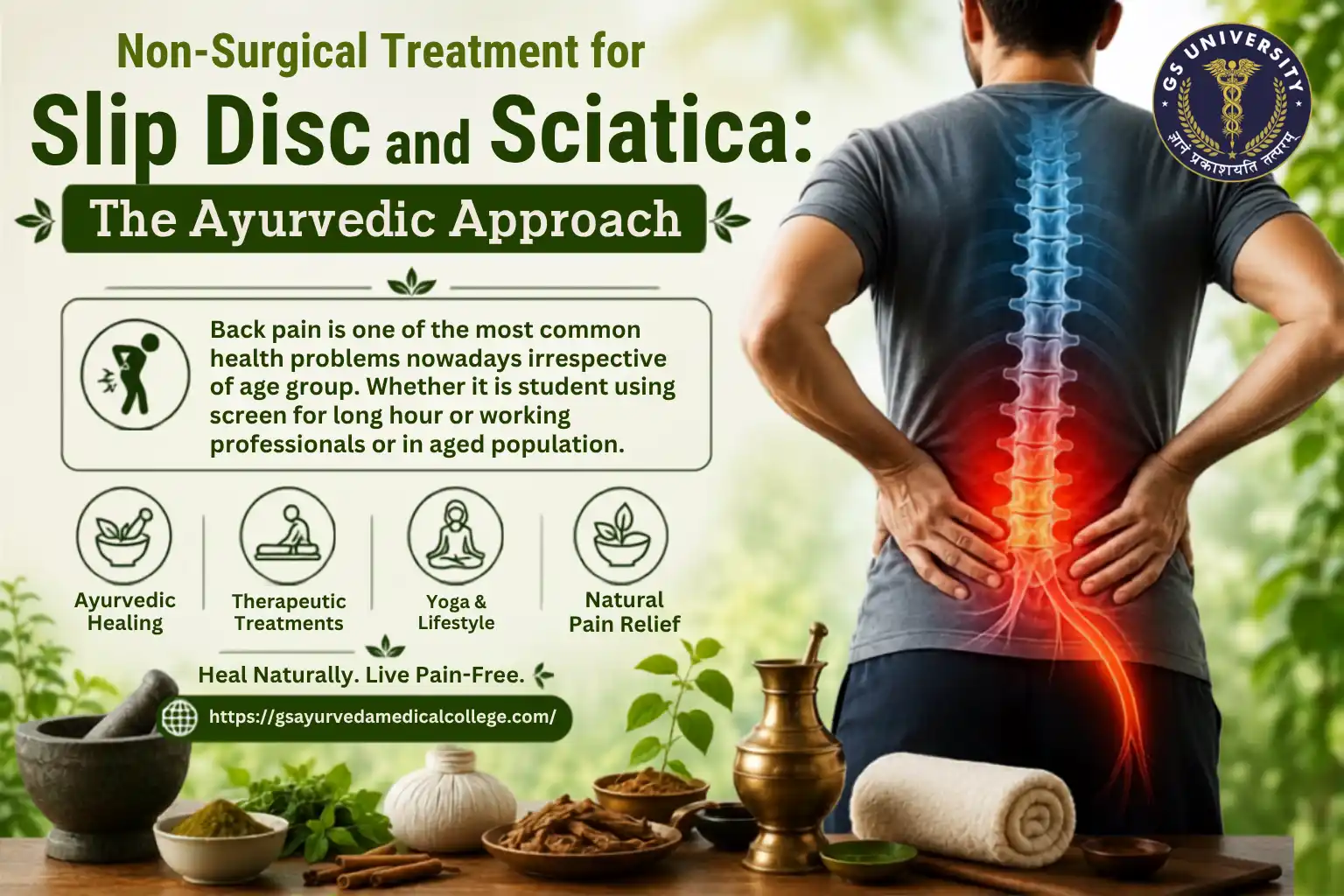
Back pain is one of the most common health problems nowadays irrespective of age group. Whether it is student using screen for long hour or working professionals or in aged population. It arises from long hours at a desk, poor posture, lack of physical activity, or age-related degeneration, spinal disorders can significantly affect a person's quality of life. Among these conditions, slip disc and sciatica are particularly troublesome because they can cause persistent pain, restricted movement, and even difficulty performing daily activities.
The first choice of patients having back pain is undergoing alternative treatments instead of opting surgery considering the complications, side effects and cost associated with it. Surgeries are primarily considered in complex cases. Ayurveda, India's ancient system of medicine, offers a holistic and non-surgical approach to managing these conditions. At GS Ayurveda Hospital, patients receive personalized care that focuses not only on relieving symptoms but also on addressing the root cause of the problem. Ayurveda is one such form of medicine which provide Slip disc treatment without surgery.
Understanding Slip Disc and Sciatica
What Is a Slip Disc?
A slip disc, also known as a herniated disc or prolapsed disc, occurs when the soft inner portion of a spinal disc protrudes through its outer layer. This protrusion can press against nearby nerves, leading to pain, numbness, and discomfort.
The spine acts much like a stack of cushions. When one cushion becomes damaged, it can affect the entire structure, leading to pain and restricted mobility.
What Is Sciatica?
The largest nerve in the human body is sciatic whose compression or irritationleads to sciatica. Most of the times, the painstarts from the lower back and passes throughthe buttocks and then goes down to one or both legs.
People often describe sciatica as a sharp, burning, or electric shock-like sensation. In some cases, the pain may be accompanied by tingling, numbness, or muscle weakness.
Common Causes of Slip Disc and Sciatica
Lifestyle Factors
Modern lifestyles have contributed significantly to spinal health issues. Prolonged sitting, lack of exercise, obesity, and improper lifting techniques can increase the risk of developing slip disc and sciatica.
Age-Related Degeneration
Aging leads to wear and tear of the muscles and tissues of the spine, the strength of it reduces considerably because of the reduction in elasticity and loss of water content. Thereby increasing the likelihood of disc herniation.
Injuries and Poor Posture
Sudden injuries, falls, sports-related trauma, and chronic poor posture can place excessive stress on the spine. Over time, this stress may lead to disc damage and nerve compression.
Symptoms That Should Not Be Ignored
Symptoms of Slip Disc
Common symptoms include:
• Persistent lower back pain
• Neck pain (if cervical discs are affected)
• Muscle weakness
• Numbness in arms or legs
• Reduced flexibility
Symptoms of Sciatica
Sciatica symptoms may include:
• Sharp pain radiating down the leg
• Tingling sensations
• Burning pain
• Difficulty standing or walking
• Weakness in the affected leg
Early intervention may prevent serious complications and also improves the chance of curing. So, if a person experiences any of these symptoms, seeking medical help immediately is the key for the faster recovery and complications arise due to sciatica.
Why Patients Prefer Non-Surgical Treatment
Surgery may be necessary in some advanced cases, but many patients prefer conservative treatments due to concerns about risks, recovery time, and costs. Also, Slip disc treatment in Ayurveda has proven success rate without any considerable side-effects.
Non-surgical treatment options often provide:
• Reduced risk of complications
• Faster return to daily activities
• Natural healing support
• Improved overall well-being
• Lower treatment expenses
Ayurveda offers these benefits while focusing on long-term health rather than temporary symptom suppression.
The Ayurvedic Perspective on Spine Disorders
Understanding Vata Imbalance
According to Ayurveda, imbalance in Vata dosha often leads to spinal and nerve-related disorders. Vata governs movement, nervous system functions, and communication within the body.
When Vata becomes aggravated due to improper diet, stress, irregular routines, or aging, it can manifest as pain, stiffness, nerve irritation, and degenerative conditions.
Root Cause Analysis in Ayurveda
Unlike conventional approaches that often focus solely on symptoms, Ayurveda seeks to identify the underlying imbalance responsible for the condition.
Factors evaluated include:
• Digestive health
• Lifestyle habits
• Body constitution (Prakriti)
• Mental stress levels
• Dietary patterns
This comprehensive evaluation helps create a personalized treatment strategy which is the core of ayurvedic slip disc treatment.
Ayurvedic Diagnosis at GS Ayurveda Hospital
At GS Ayurveda Hospital, experienced Ayurvedic physicians conduct detailed assessments before beginning treatment.
The diagnostic process may include:
• Medical history review
• Physical examination
• Pulse diagnosis (Nadi Pariksha)
• Assessment of Dosha imbalance
• Review of MRI and imaging reports when available
This integrated approach ensures accurate diagnosis and effective treatment planning making them the hospital which offers the Best slip disc treatment in India.
Non-Surgical Ayurvedic Treatments for Slip Disc and Sciatica
Panchakarma Therapy
Panchakarma is one of Ayurveda's most powerful therapeutic approaches that greatly helps to detoxify body, resulting in restoring balance of the body naturally by healing it completely.
Kati Basti
Kati Basti is a specialized treatment for slip disc problem where warm medicated oil is kept on lower back using a dough ring.
Benefits include:
• Reduced inflammation
• Pain relief
• Improved circulation
• Enhanced spinal flexibility
It provides soothing, calming effect during the session and relaxes the spine thereafter.
Basti Therapy
Among all the ayurvedic therapies, Basti has been identified as the most effective treatment for vata disorders.
Medicated herbal oils or decoctions are used by the means of therapeutic enemas to:
• Balance Vata Dosha
• Nourish tissues
• Reduce nerve irritation
• Improve mobility
Ayurvedic texts regard Basti as a primary treatment for chronic musculoskeletal conditions.
Patra Pinda Sweda
In this therapy, warm herbal poultices are applied to affected areas.
It helps:
• Relieve muscle stiffness
• Reduce pain
• Improve blood circulation
• Promote tissue healing
Ayurvedic Medicines
Depending on the patient's condition, Ayurvedic physicians may prescribe medicines aimed at:
• Reducing inflammation
• Strengthening bones and joints
• Supporting nerve health
• Improving tissue regeneration
Since treatment is individualized, medicines are selected according to each patient's unique constitution and health status.
Therapeutic Massage and Oil Therapies
Abhyanga, or therapeutic oil massage, is frequently incorporated into treatment plans.
Benefits include:
• Relaxation of tense muscles
• Improved circulation
• Enhanced flexibility
• Better nervous system function
Medicated oils are carefully selected based on the patient's Dosha imbalance and clinical condition.
Personalized Treatment Plans at GS Ayurveda Hospital
The journey of patients suffering from sciatica is not same, some cases are severe, some are moderate and some are manageable with little lifestyle modifications. Therefore, GS Ayurveda Hospital emphasizes individualized care for slip disc treatment.
Treatment plans are designed considering:
• Severity of symptoms
• Age and physical condition
• Dosha imbalance
• Occupation and lifestyle
• Existing medical conditions
This personalized approachprovides better treatment, resulting in faster recovery which thereby increases patient’s trust and satisfaction.
Role of Diet in Recovery
Diet plays a critical role in Ayurvedic healing.
Patients with Vata-related disorders are generally encouraged to consume:
• Warm and freshly prepared meals
• Easily digestible foods
• Healthy fats such as ghee
• Seasonal fruits and vegetables
Foods that may aggravate symptoms include:
• Excessively cold foods
• Processed snacks
• Refined sugar
• Carbonated beverages
Proper nutrition supports tissue repair and helps maintain Dosha balance.
Importance of Yoga and Lifestyle Modifications
Ayurveda recognizes that sustainable healing requires positive lifestyle changes.
Recommended Yoga Practices
Under professional guidance, patients may benefit from:
• Bhujangasana (Cobra Pose)
• Makarasana (Crocodile Pose)
• Shalabhasana (Locust Pose)
• Setu Bandhasana (Bridge Pose)
These practices can strengthen spinal muscles, improve flexibility, and support recovery.
Additional lifestyle recommendations often include:
• Maintaining proper posture
• Taking regular movement breaks
• Avoiding heavy lifting
• Practicing stress management techniques
• Ensuring adequate sleep
Benefits of Choosing Ayurveda Over Surgery
Many patients choose Ayurvedic care because it offers a holistic path to healing.
Some key advantages include:
• Non-invasive treatment methods
• Focus on root-cause management
• Personalized care plans
• Natural therapies and herbal support
• Improved overall health and wellness
• Reduced dependence on long-term pain medications
For many individuals, Ayurveda provides an effective bridge between symptom relief and long-term recovery.
Why Choose GS Ayurveda Hospital?
GS Ayurveda Hospital has established itself as a trusted destination for Ayurvedic healthcare by combining traditional wisdom with modern diagnostic support and offers the best ayurvedic slip disc treatment near me.
Key strengths include:
• Experienced Ayurvedic physicians
• Comprehensive Panchakarma facilities
• Individualized treatment plans
• Integrated patient care approach
• Focus on long-term wellness
• Supportive and patient-centered environment
The hospital's commitment to quality care helps patients achieve meaningful improvements in their health and quality of life.
Success Stories and Patient Outcomes
Many patients who arrive with chronic back pain, sciatica, and mobility limitations report significant improvements after undergoing Ayurvedic treatment programs.
Common positive outcomes include:
• Reduced pain intensity
• Better mobility
• Improved posture
• Enhanced daily functioning
• Increased quality of life
While results vary among individuals, the combination of therapies, lifestyle modifications, and ongoing guidance often contributes to sustained benefits.
Prevention Tips for Long-Term Spine Health
Prevention is always better than treatment, so paying attention to your spine helps greatly reduce the problems associated with it.
Helpful preventive measures include:
• Regular exercise
• Maintaining healthy body weight
• Practicing correct posture
• Using ergonomic furniture
• Avoiding prolonged sitting
• Staying physically active
• Performing stretching exercises regularly
Your spine is the central figure of your entire body structure. The better this structure is, the better the entire body performs leading to a good quality of life.
Conclusion
Slip disc and sciatica can significantly disrupt daily life, but surgery is not always the only solution. Ayurveda offers a comprehensive, natural, and patient-centered approach that addresses both symptoms and underlying causes. Through specialized therapies such as Panchakarma, Kati Basti, Basti, herbal medications, therapeutic massages, dietary guidance, and lifestyle modifications, GS Ayurveda Hospital provides effective non-surgical treatment options for individuals seeking long-term relief. The hospital has one the top panchakarma facilities in the region. The hospital strictly works on the ayurvedic principle of holistic healing and provides personalized care to its patients. The patients regain their mobility, experiences the reduction in pain, which leads to overall improvement in quality of their life.
FAQs
1. What is the success rate of treatment of sciatica in Ayurveda?
Ayurveda addresses the imbalances which is causing the problem rather than treating the symptoms. Many patients experience significant improvement, though outcomes depend on the severity and duration of the condition.
2. How long does Ayurvedic treatment for sciatica usually take?
Treatment duration varies according to the patient's condition, age, and response to therapy. Some individuals notice improvement soon and some late depending on the above factors.
3. Is Panchakarma safe for slip disc patients?
When performed under qualified Ayurvedic supervision, Panchakarma therapies are generally considered safe and can be highly beneficial for Vata-related disorders.
4. Can I continue my regular medications during Ayurvedic treatment?
Patients should always consult both their Ayurvedic physician and primary healthcare provider before making any changes to prescribed medications.
5. Does GS Ayurveda Hospital provide personalized treatment plans for spine disorders?
Yes. GS Ayurveda Hospital focuses on individualized treatment plans based on detailed assessments, ensuring that therapies and recommendations are tailored to each patient's specific needs.